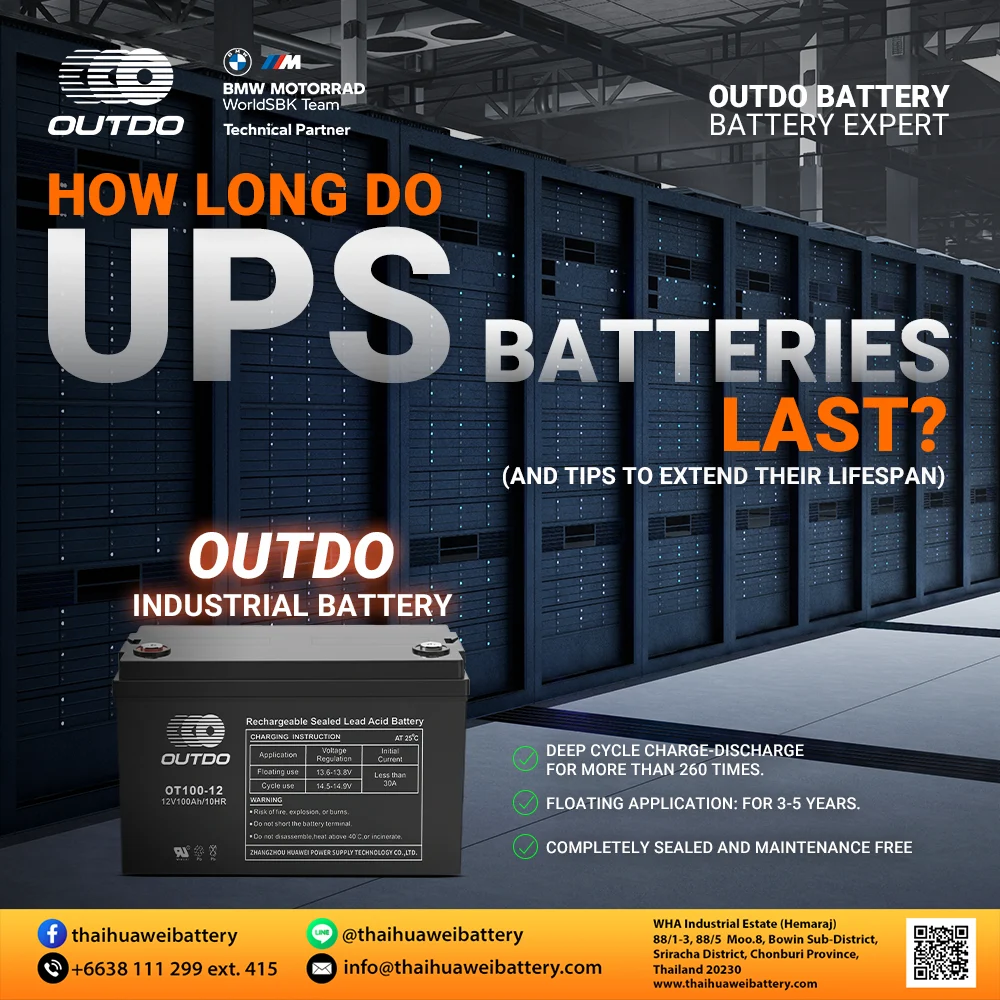
A UPS (Uninterruptible Power Supply) is a device that provides temporary power when the main electrical source fails. It protects sensitive equipment such as computers, servers, and communication systems from power interruptions, voltage drops, and surges.
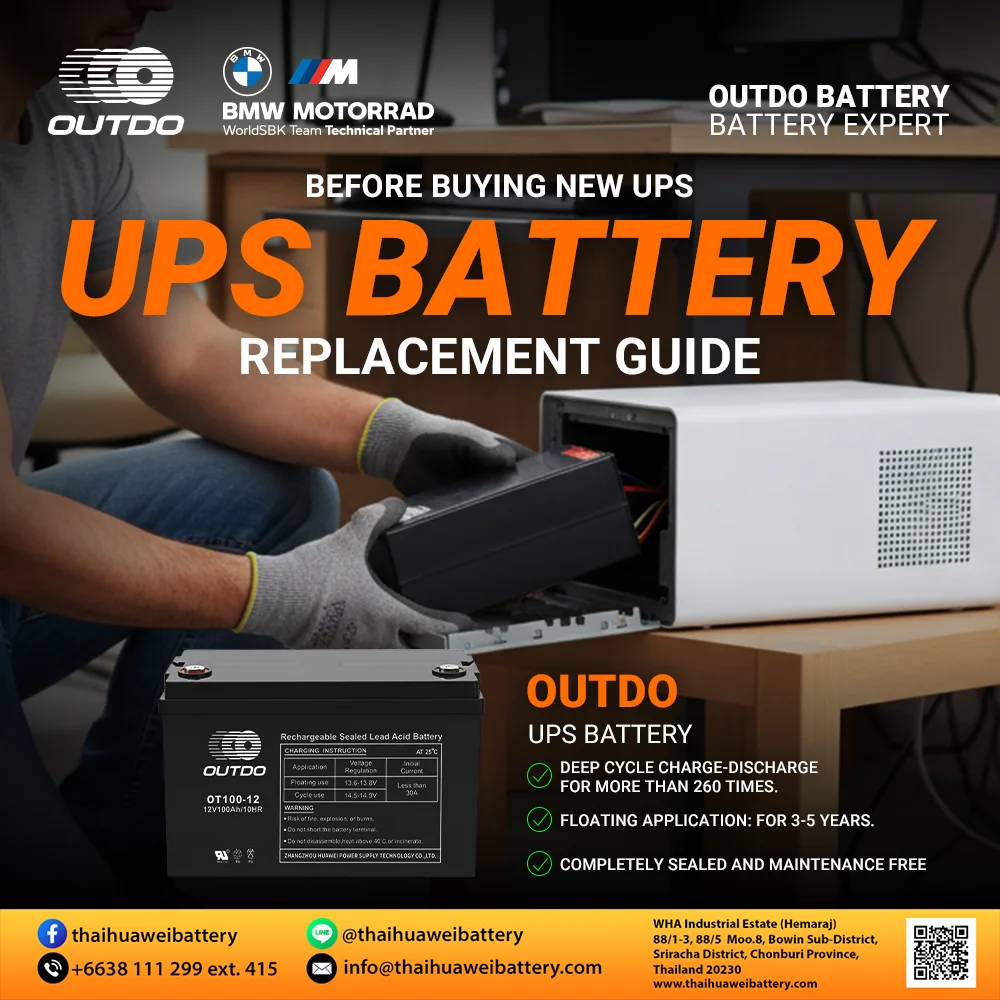
At the core of every UPS is its battery, which stores energy and instantly delivers backup power when an outage occurs. This ensures that connected devices keep running long enough for users to save their work or safely shut down systems. Without a reliable battery, a UPS cannot fulfill its essential role of maintaining power continuity and preventing data loss or equipment damage during unexpected failures.
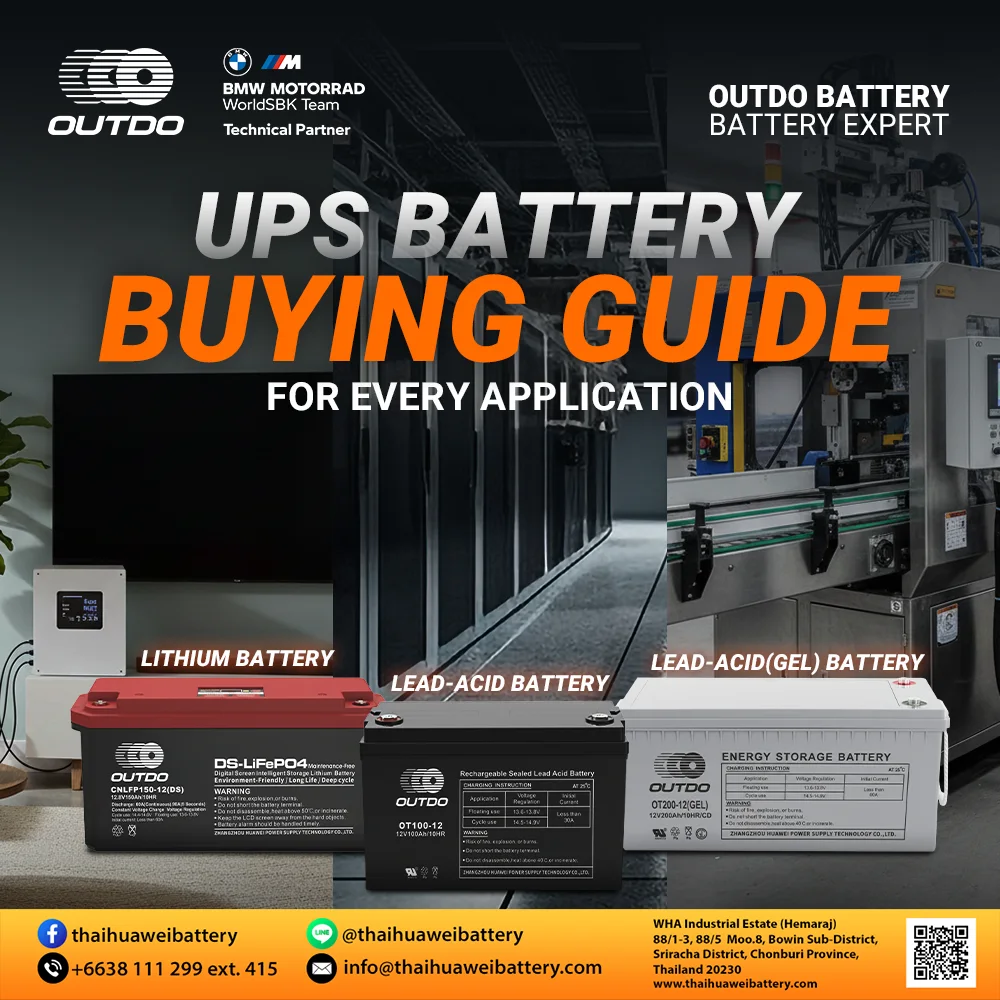
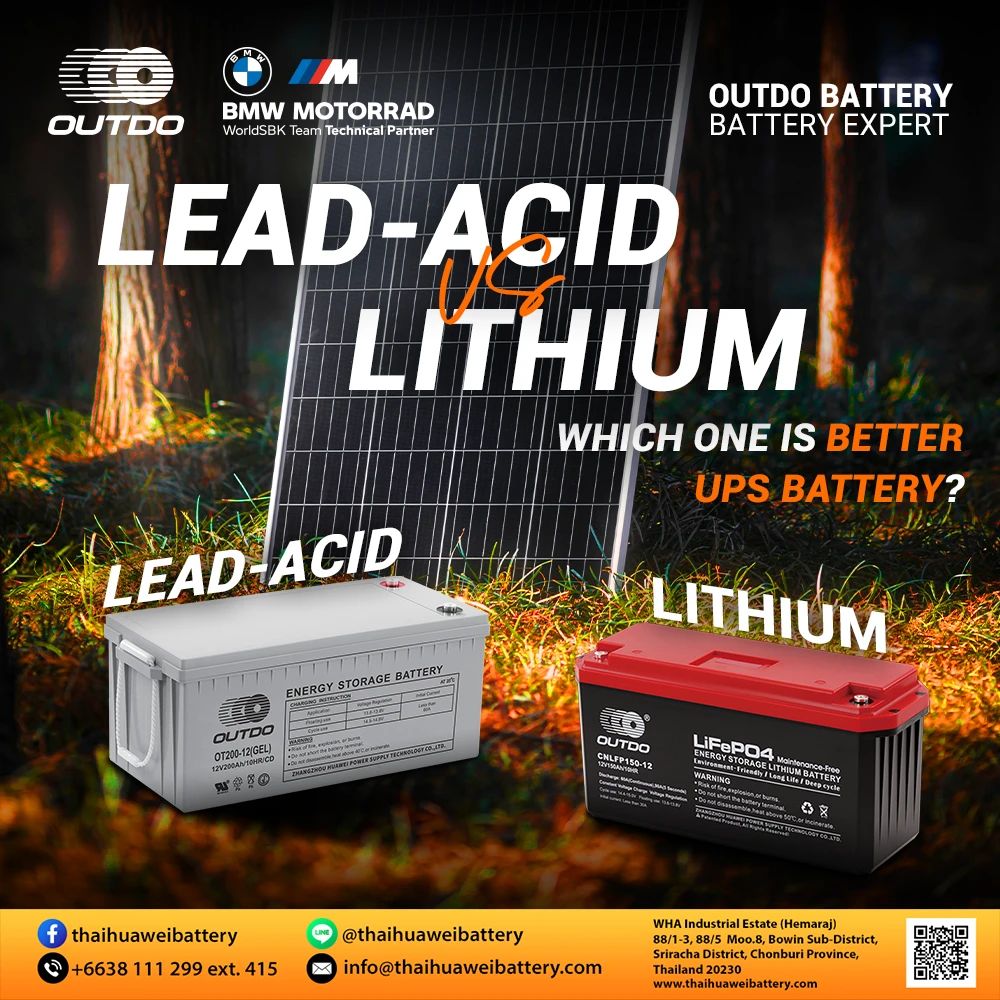
In today’s market, UPS systems primarily rely on two types of batteries, Lead-acid and Lithium. Each type offers distinct advantages and limitations depending on power requirements, budget, and application.
Understanding Lead-acid batteries and Lithium Batteries
The two battery types are built with distinct internal designs and technologies, resulting in different performance characteristics, benefits, and trade-offs.
1. Lead-acid UPS Batteries
Lead-acid batteries are the most widely used type of UPS battery. Their simple and effective design stores electrical energy through a chemical reaction between lead plates and sulfuric acid, generating direct current (DC) power. This makes them highly reliable for various applications, from home systems to industrial UPS units. A lead-acid UPS battery typically lasts 2 to 4 years and needs regular maintenance checks to stay reliable, making it best suited for home or basic UPS setups.
2. Lithium UPS Batteries
Lithium UPS batteries represent a newer generation of power storage technology designed for higher efficiency, longer life, and lower maintenance with safety BMS technology. These batteries use lithium-ion (Li-ion) or lithium iron phosphate (LiFePO₄) chemistry, which allows them to deliver consistent performance with minimal energy loss. A lithium UPS battery typically lasts 6 to 10 years, weighs 30-40% less than a lead-acid equivalent, and charges faster with minimal maintenance, which is why it’s the standard choice for servers and data centers.
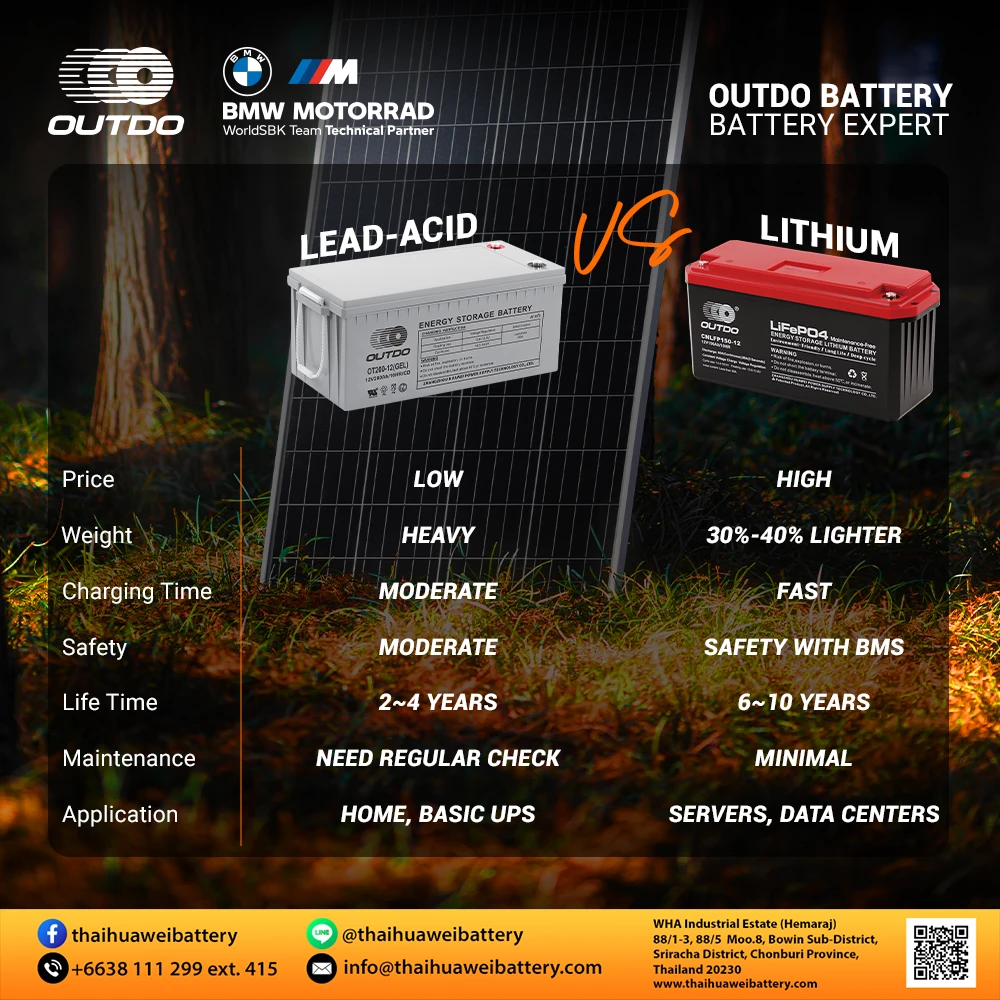
Comparison Table: Lead-Acid vs Lithium UPS Batteries
| Feature | Lead-Acid | Lithium |
|---|---|---|
| Price | Low | High |
| Weight | Heavy | 30-40% lighter |
| Charging Time | Moderate | Fast |
| Safety | Moderate | Safety with BMS |
| Lifespan | 2-4 years | 6-10 years |
| Maintenance | Needs regular check | Minimal |
| Application | Home, basic UPS | Servers, data centers |
FAQ About Lead-Acid vs Lithium UPS Batteries
Which lasts longer, a lead-acid or lithium UPS battery?
A lead-acid UPS battery typically lasts 2 to 4 years, while a lithium UPS battery lasts significantly longer at 6 to 10 years.
Is a lithium UPS battery worth the higher price?
For high-demand environments like data centers or critical equipment, yes. Lithium batteries cost more upfront but last longer, weigh 30-40% less, and need minimal maintenance, lowering the total cost of ownership over time.
Do lithium UPS batteries need less maintenance than lead-acid?
Yes. Lead-acid UPS batteries need regular maintenance checks, while lithium UPS batteries require minimal maintenance thanks to their built-in BMS (Battery Management System).
Which UPS battery type is better for home use?
For light to medium use such as home or small office backup systems, a lead-acid UPS battery is a more affordable and practical choice.
Summary: Which One Is Better? And Batteries Recommendation
Now that we’ve seen how both UPS battery types work, it’s clear that lead-acid and lithium batteries each have their own unique strengths. So if you’re wondering which one is better, the answer is, there’s no single “best” battery. The key is choosing the type that’s most suitable for your application.
If you’re looking for an affordable and practical solution for light to medium use, such as home or small office backup systems, a lead-acid UPS battery is a reliable and cost-effective choice.
For high-demand environments like data centers, large organizations, or critical equipment requiring continuous uptime, lithium UPS batteries offer a clear advantage. They deliver longer lifespan, better efficiency, and improved safety, though at a higher upfront cost.
Once you’ve chosen the right battery type, it’s equally important to select a trusted brand that meets international safety and performance standards. This ensures your backup power system remains reliable, safe, and cost-efficient over time.
OUTDO UPS batteries are available in both lead-acid and lithium models to suit various needs. Each model is certified for global safety and quality standards, giving you dependable performance and true value for your investment.
👉 Explore our full range of All UPS batteries here.
Stay powered!
Tagged: ups