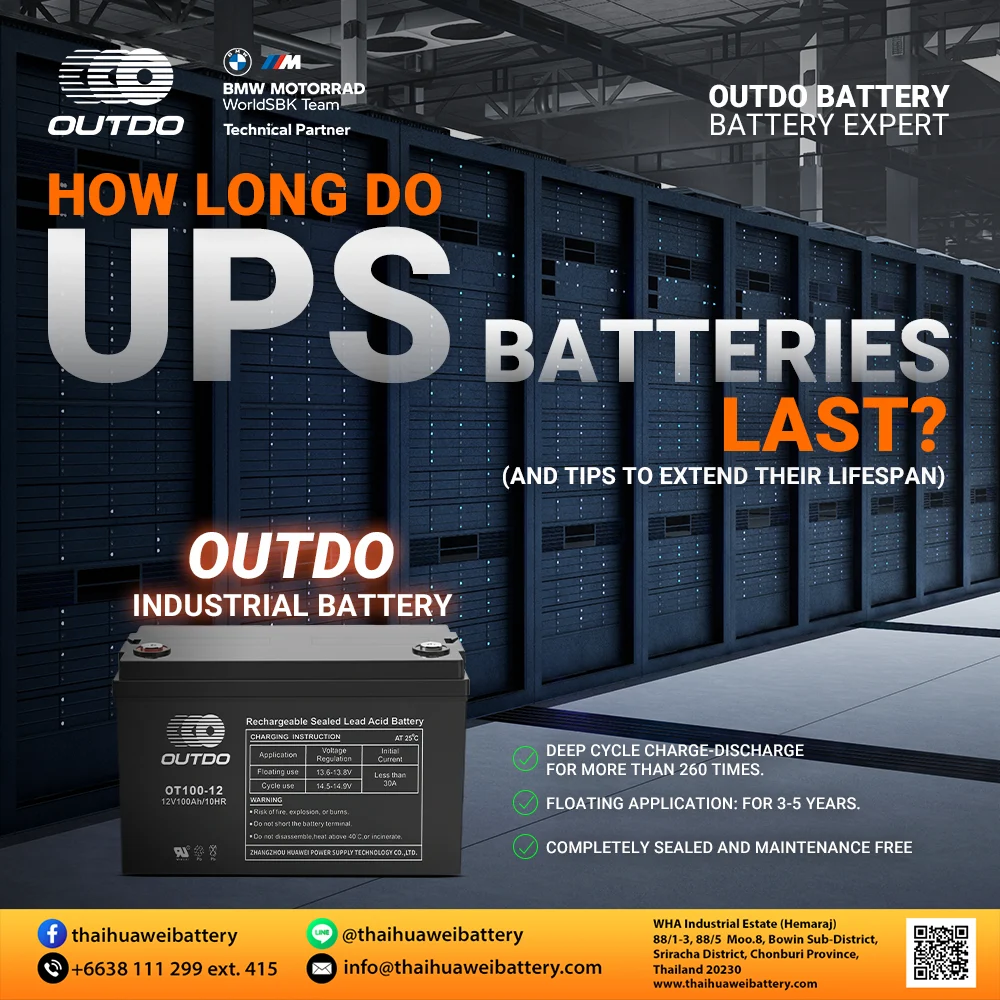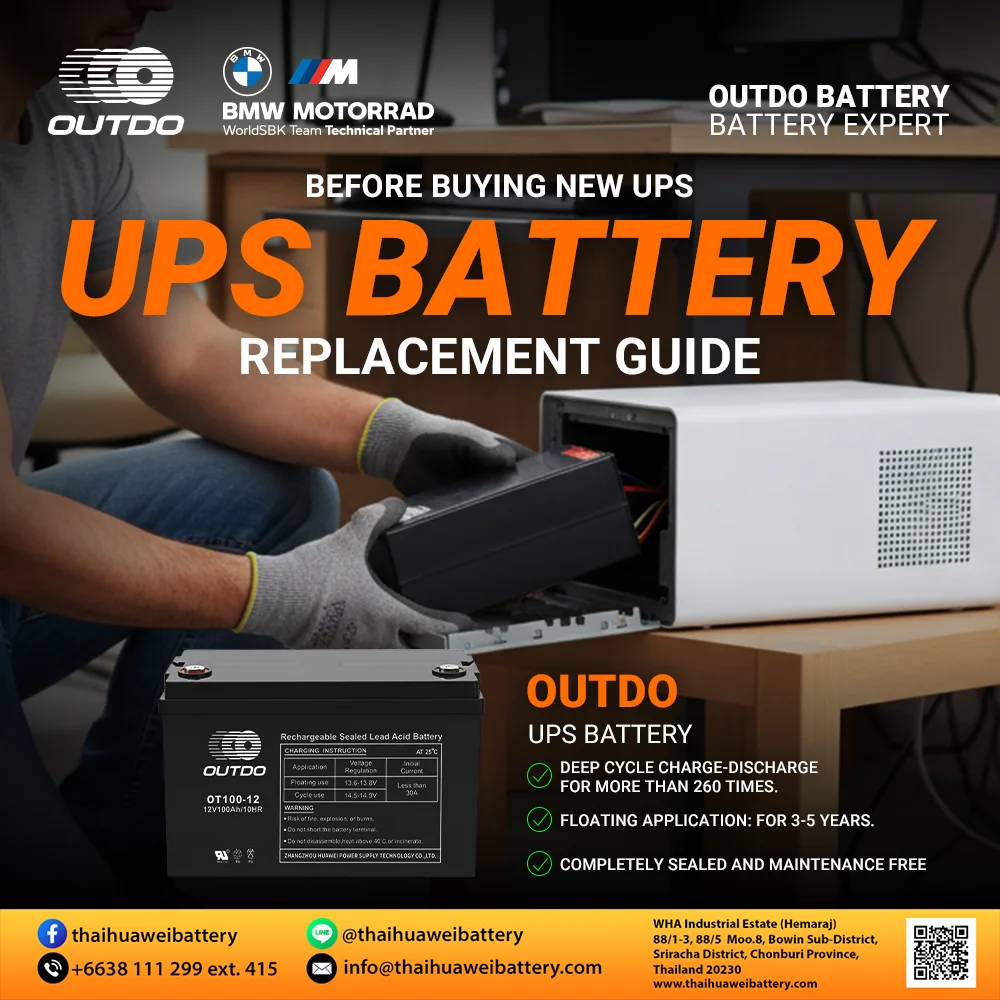
UPS battery is the heart of any backup power system. Choosing the wrong battery can result in shorter backup time, unstable performance, or premature battery failure. This article will help you understand how to select the right UPS battery based on real-world applications, whether for office computers, servers, industrial facilities, or critical equipment where power outages are not an option. Matching the battery to your setup keeps backup time predictable and avoids replacing it before its rated lifespan.
What Should You Know Before Choosing a UPS Battery?
How Do You Calculate Power Requirements?
You should consider the actual power consumption of connected devices (Watt / W) together with the UPS capacity (Volt-Ampere / VA). Each UPS has a limit on the real power it can deliver. If the total load exceeds this limit, the system may shut down or provide a much shorter backup time. Calculating power requirements correctly from the beginning helps ensure the UPS battery matches your application and extends the lifespan of both the battery and the UPS system.
How Much Backup Time Do You Need?
For typical home or small office use, long backup time may not be necessary, allowing you to choose a battery with a smaller capacity. In contrast, industrial facilities or hospitals require stable and continuous backup power, making it important to select higher-specification batteries that can support longer backup durations reliably.
Is the Battery Compatible With Your UPS System?
Always check the UPS specifications before purchasing a battery, such as supported battery size, terminal type, and voltage rating. This ensures that the selected UPS battery is fully compatible and prevents unnecessary costs or installation issues.
Key Factors When Choosing a UPS Battery
What Types of UPS Batteries Are Available?
The two main types of UPS batteries available on the market are lead-acid batteries and lithium-ion batteries. Each type has its own advantages and disadvantages. Lead-acid batteries are generally more affordable, while lithium-ion batteries offer a longer lifespan and better performance. A full comparison can be found in this article: Lead-acid vs. Lithium UPS Batteries: Which One Is Better?
What Voltage Does Your UPS Battery Need?
Verify that the battery voltage matches the UPS system requirements. Common configurations include 12V batteries or series connections such as 24V or 36V. Choosing the correct voltage is essential for system safety and proper operation.
How Much Battery Capacity (Ah) Do You Need?
Ah indicates how long a battery can supply power. If multiple devices are connected or longer backup time is required, selecting a battery with a higher Ah rating is recommended.
What Safety Standards Should a UPS Battery Meet?
Safety is one of the most important factors when choosing a UPS battery. Always select batteries that meet recognized standards and are suitable for the intended environment. For industrial applications, batteries should comply with industrial-grade standards and be capable of operating reliably under heavy loads and high temperatures. Meeting the right standard also lowers the risk of premature battery failure later on.
Why Choose Batteries From a Reliable Manufacturer?
Selecting UPS batteries from a reliable manufacturer helps ensure stable performance and safe operation. Batteries produced under certified manufacturing standards and strict quality control offer longer service life and reduce long-term operational issues. Outdo batteries are a trusted choice, sold globally and recognized as the official technical partner of the ROKiT BMW Motorrad WorldSBK Team, suitable for UPS applications in offices and industrial environments, providing confidence and reliability whenever power outages occur.
Stay powered!
Tagged: ups