

Published:
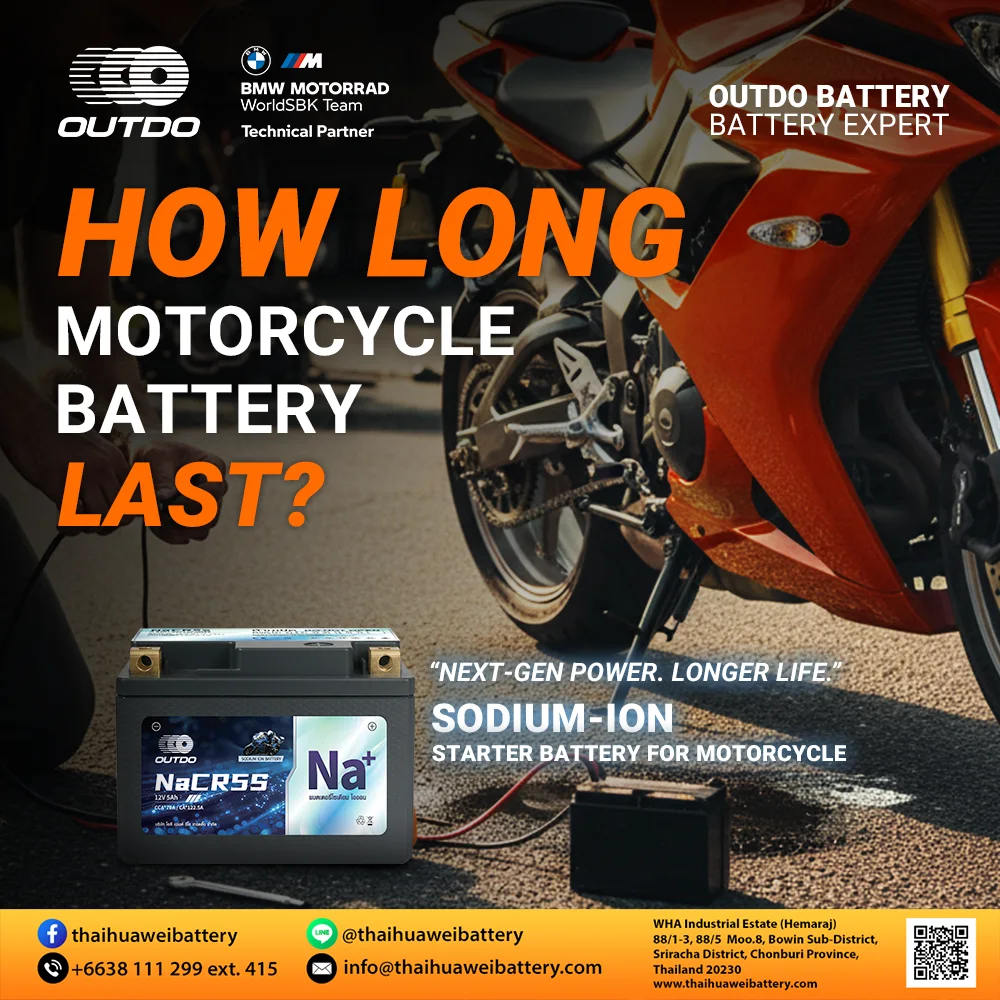
Motorcycle battery is a crucial component of the electrical system and engine starting process. When a battery begins to deteriorate, it can cause difficulty starting the motorcycle or prevent it from starting altogether. Understanding the average lifespan of a motorcycle battery, along with the warning signs that indicate it’s time for a replacement, is essential for riders who want to ensure safe and uninterrupted performance.
Average Lifespan of a Motorcycle Battery
In general, the lifespan of a motorcycle battery depends on the battery type, the technology used, and the rider’s usage habits. The main types include:
1. Lead-Acid Maintenance-Free Batteries
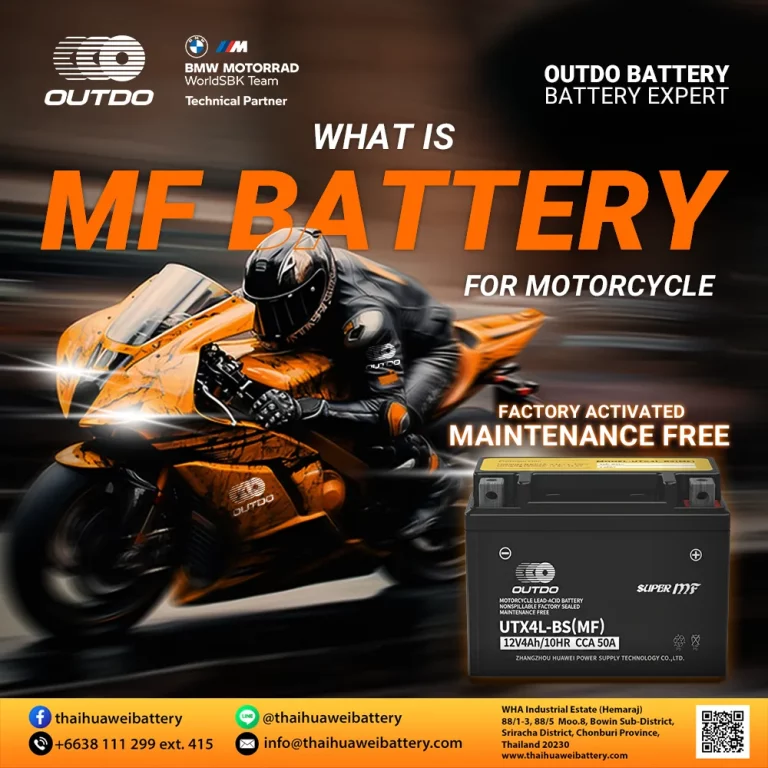
This is the most commonly used type. The average lifespan is approximately 2–3 years, depending on maintenance and environmental conditions.
2. Lithium Batteries (LiFePO₄)
These are lighter and offer higher performance compared to lead-acid batteries. Their average lifespan is around 3–5 years, although they come at a higher price point.
3. Sodium-Ion Batteries
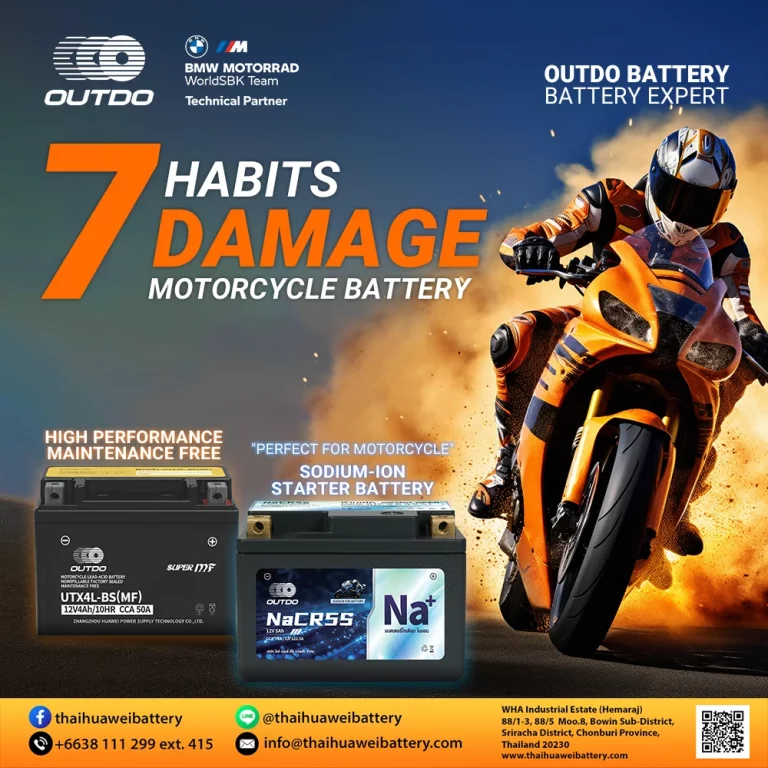
Newer technology that is gaining popularity in modern motorcycles. Key advantages include excellent thermal stability, strong performance in hot and humid climates, and a high number of charge cycles. Their lifespan can range from approximately 4–6 years, depending on usage conditions.
However, these figures are averages. The actual lifespan may be shorter or longer depending on factors such as riding frequency, climate, and maintenance practices.
Factors That Can Shorten Motorcycle Battery Life
It is difficult to determine the exact lifespan of a motorcycle battery, as it depends not only on the battery type but also on usage patterns, maintenance, and product quality. The following factors are common causes of shortened battery life:
1. Exposure to Extreme Temperatures
High temperatures can accelerate internal chemical reactions, leading to faster battery degradation especially when exposed to prolonged heat.
Conversely, extremely cold temperatures reduce battery efficiency and require more power to start the engine, placing additional strain on the battery and potentially shortening its lifespan.
2. Leaving the Motorcycle Unused for Long Periods
If the motorcycle is not started or ridden for an extended time, the battery will gradually discharge. Frequently allowing the battery to fully drain can cause permanent damage and reduce its long-term ability to hold a charge.
3. Riding Short Distances Regularly
Frequent short trips may not give the charging system enough time to fully recharge the battery. Over time, this incomplete charging can accelerate battery wear. Occasional longer rides help ensure proper recharging.
4. Installing Excessive Electrical Accessories
Adding accessories such as decorative lights, GPS devices, or charging ports can increase the electrical load. If the motorcycle’s charging system is not designed to handle the additional demand, it may lead to more charge cycles and reduced battery lifespan.
5. Poor Battery Terminal Maintenance
Corrosion, oxidation, or dirt buildup on battery terminals can interfere with electrical conductivity, causing unstable voltage and reduced system performance. Cleaning the terminals regularly can significantly extend battery life.
Signs Your Motorcycle Battery Is Deteriorating
When a battery reaches the end of its lifespan, certain warning signs will appear, potentially disrupting your ride. If you notice the following symptoms, it may be time to replace your motorcycle battery:
1. Difficulty Starting the Motorcycle
If the engine cranks more slowly than usual or requires multiple attempts to start, it may indicate battery deterioration. Low voltage means insufficient current is delivered to the starter motor. This issue is especially noticeable in the morning or in cold weather. If left unresolved, the motorcycle may eventually fail to start altogether.
However, it is advisable to check the charging system and spark plug to confirm that the issue is indeed battery-related.
2. Flickering or Dim Lights
As the battery weakens, voltage stability decreases, causing the headlight or dashboard lights to dim or flicker—particularly when idling or stopped. This indicates inconsistent power delivery.
If ignored, it may also affect other electrical components such as the fuel injection system, digital display, or sensors.
3. Poor Acceleration or Engine Stalling
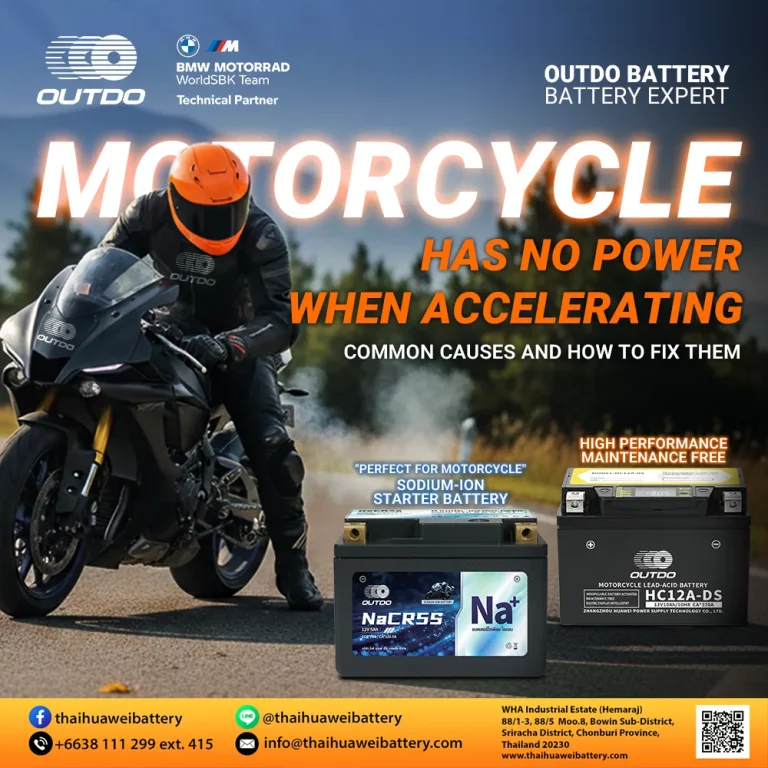
In some cases, a low-voltage battery can negatively affect the ignition and electrical systems, causing poor acceleration, unstable idling, or even engine stalling—especially in modern motorcycles that rely heavily on electronic control units (ECUs).
Although these symptoms may also relate to the fuel system or alternator, checking the battery is the first and simplest diagnostic step.
Sodium-Ion Batteries: A Longer-Lasting Innovation
When it’s time to replace your motorcycle battery, choosing a certified and reputable brand is essential. As battery technology continues to evolve, upgrading to a sodium-ion motorcycle battery can be a cost-effective long-term solution.
Sodium-ion batteries represent next-generation innovation, offering superior thermal stability, excellent performance in hot climates, and a higher number of charge cycles compared to traditional lead-acid and lithium batteries. These advantages help reduce degradation from repeated use and extend overall service life.
Outdo’s sodium-ion motorcycle batteries are developed to meet the needs of riders who demand consistent starting power, enhanced safety, and long-term value—providing confidence on every journey.
Ride safe!
#MotorcycleTrip #BatteryCare #MotorcycleBattery #RiderTips #SodiumBattery #BatteryManufacturer #OUTDOBATTERY #ThailandBattery #BatteryFactory #ไทยหัวเวยแบตเตอรี่ #ผลิตแบตเตอรี่ #Motorcycle #SodiumIonBattery #ThaihuaweiBattery #OD #BatteryImporter #BatteryExporter