With the long holiday approaching, riders across the country are getting ready for short-distance trips, whether it’s visiting family, running errands, or taking a quick weekend ride to unwind. While it may seem like short trips don’t require much preparation, the reality is that holiday traffic, unpredictable weather, and increased road usage can put extra stress on your motorcycle.
Performing a simple pre-ride inspection not only helps prevent unexpected breakdowns but also ensures smoother handling, better fuel efficiency, and a safer overall riding experience. Below is a detailed checklist to help you prepare your motorcycle before the holiday rush begins.
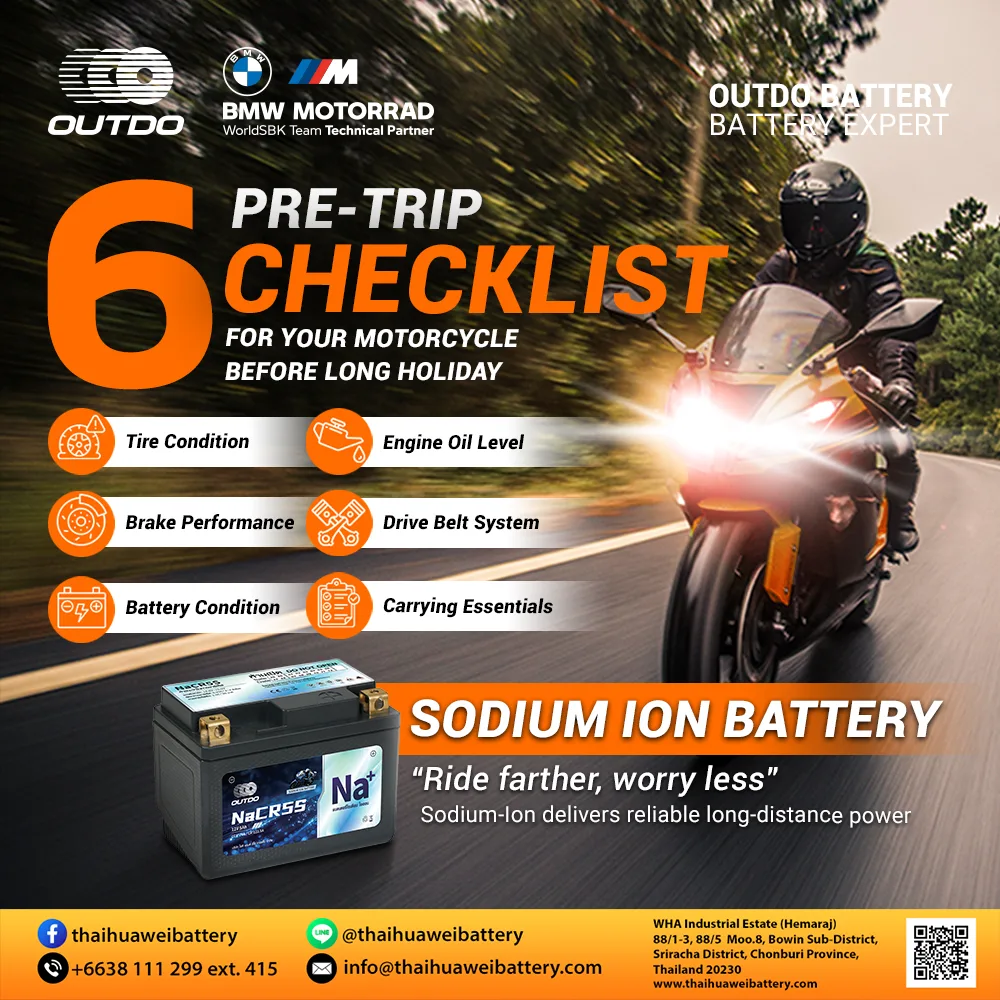
1. Tire Pressure & Tire Condition
Your tires are the only parts of your motorcycle that make contact with the road, making proper tire care crucial, especially during long-holiday periods when traffic is heavy, temperatures fluctuate, and emergency braking happens more often.
Why this matters:
- Underinflated tires can affect stability, fuel efficiency, and cause overheating.
- Overinflated tires can reduce traction and increase the risk of blowouts.
- Worn-out or damaged tires greatly increase the risk of skidding on wet or uneven roads often seen during holiday travel.
Checklist:
- Check and adjust tire pressure based on the manufacturer’s recommended PSI
- Look for cracks, bulges, embedded objects, or uneven wear patterns
- Inspect the tread depth to ensure safe grip on wet and dry surfaces
- Replace tires older than 2-3 years, even if the tread still looks acceptable
2. Engine Oil Level & Condition
Engine oil plays a crucial role in cooling, lubricating, and protecting the engine. During long holidays when roads may be congested, motorcycles often spend more time idling, which increases heat and engine workload.
Why this matters more during peak travel:
- Old or degraded oil loses its ability to protect the engine from wear
- Thickened or burnt oil can cause overheating during slow-moving traffic
- Low oil levels increase friction and may lead to engine damage
Checklist:
- Ensure the oil level is between the Min and Max marks
- Observe oil color, dark, gritty, or burnt-smelling oil should be replaced
- Check for oil leaks around the engine
- Change the oil if you are close to your scheduled maintenance interval
3. Brake Performance (Front & Rear)
In busy holiday traffic, strong and responsive brakes are essential. Whether you’re navigating through city congestion or slowing down suddenly on rural roads, your brake system must be in top shape.
Why brake inspection is essential:
- Worn brake pads can dramatically increase stopping distance
- Low brake fluid can reduce braking power and cause spongy brake feel
- Overheating brakes in stop-and-go traffic can lead to brake fade
Checklist:
- Check brake pad thickness, replace if worn near the minimum line
- Test brake lever and pedal pressure; both should feel firm and responsive
- Verify brake fluid level and clarity (cloudy or dark fluid indicates replacement)
- Listen for grinding or squeaking noises during braking
4. Electrical System & Battery Condition
Your motorcycle’s electrical system is particularly important during the holidays because riders often travel at night, use more lights, or frequently start and stop in traffic.
Why this matters:
- A weak battery may fail during repeated start/stop riding
- Dim headlights reduce visibility during holiday nighttime traffic
- Faulty signals increase the risk of accidents on crowded roads
Checklist:
- Test headlights, taillights, brake lights, and turn signals
- Observe if the lights dim when the engine starts, a sign of weak battery output
- Check the battery age (typically lasts 1.5-2.5 years depending on use)
- Look for corrosion on terminals or swelling on the battery body
- Consider testing the battery with a voltmeter before the holiday trip
5. Chain-Sprocket or Drive Belt System
Your motorcycle’s power delivery relies on a properly maintained chain or belt system. During holiday travel, you may encounter uneven roads, steep hills, and longer riding hours.
Why this matters:
- A dry or loose chain can cause jerky acceleration or derailment
- A worn sprocket reduces power efficiency and increases mechanical noise
- Drive belts in scooters can wear prematurely under heavy load
Checklist:
- Inspect chain slack and tighten if necessary
- Lubricate the chain if it looks dry or dusty
- Check sprocket teeth for signs of hooking or bending
- For scooters: check belt condition, rollers, and clutch components
6. Carrying Essentials Before You Ride
Even a short trip during the long holiday can present unexpected challenges, sudden weather changes, traffic jams, or minor roadside issues. Preparing a few essentials ensures you’re ready for anything.
Why essentials matter:
- Rain is common during holidays, making rain gear a must-have
- Tools help you fix simple issues without waiting for roadside assistance
- Proper documentation avoids legal complications during increased holiday traffic checks
Checklist:
- Raincoat or compact poncho
- Basic toolkit (the set that comes with the bike is usually enough)
- Registration, insurance papers, and emergency contacts
- Water bottle, small first-aid kit, and power bank
Why Pre-Trip Checks Are Even More Important During Long Holidays
Road congestion, increased travel frequency, unpredictable weather, and higher accident rates make holiday periods especially demanding for both riders and motorcycles. Even short distances involve longer travel times due to traffic and heat buildup from idling. These conditions can amplify problems like battery weakness, tire pressure changes, and brake wear.
A simple 5-10 minute pre-trip inspection can:
- Prevent mid-trip breakdowns
- Improve safety in heavy traffic
- Reduce repair costs
- Provide peace of mind for you and your passengers
Frequently Asked Questions About Motorcycle Pre-Trip Checks
How long does a motorcycle pre-trip check take?
A basic pre-trip inspection takes about 5 to 10 minutes covering tires, oil, brakes, battery, and chain. This quick check can prevent most common breakdowns during holiday travel.
What should I check on my motorcycle before a long holiday trip?
Before a long trip, check tire pressure and tread, engine oil level and color, brake pad thickness and fluid, battery age and terminals, chain slack and lubrication, and pack essentials like a raincoat, toolkit, and documents.
How do I know if my motorcycle battery needs to be replaced before a trip?
Warning signs include slow engine cranking, dim or flickering headlights when starting, corrosion on the terminals, or a swollen battery body. If your battery is older than 1.5-2.5 years and shows any of these signs, replace it before a long ride.
What tire pressure should I use for a long-distance motorcycle ride?
Always check tire pressure against the manufacturer’s recommended PSI, listed in the owner’s manual or on the swingarm sticker. Underinflated tires reduce stability and fuel efficiency, while overinflated tires reduce traction.
Is it necessary to check the motorcycle chain before every trip?
Yes. Chain slack, dryness, and sprocket wear increase during long or high-mileage rides. Check chain tension and lubricate it before extended trips to prevent jerky acceleration or premature wear.
Recommended Battery
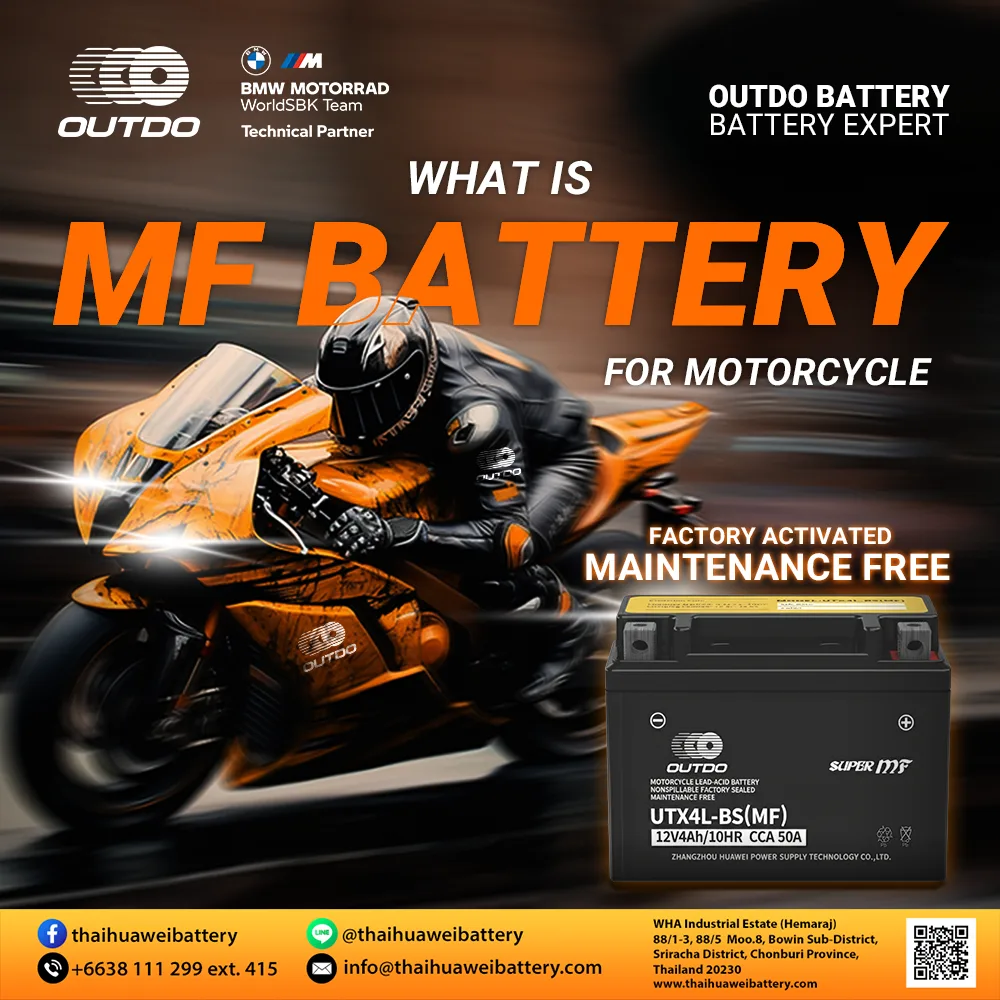
If your motorcycle is showing signs of a weak or aging battery, such as slow starts, dim headlights, or unstable electrical performance, replacing your lead-acid battery before the holiday is a smart and practical choice. Lead-acid batteries remain a reliable, cost-effective option that delivers sufficient starting power for most motorcycles, especially for standard daily commuting and short-distance travel.
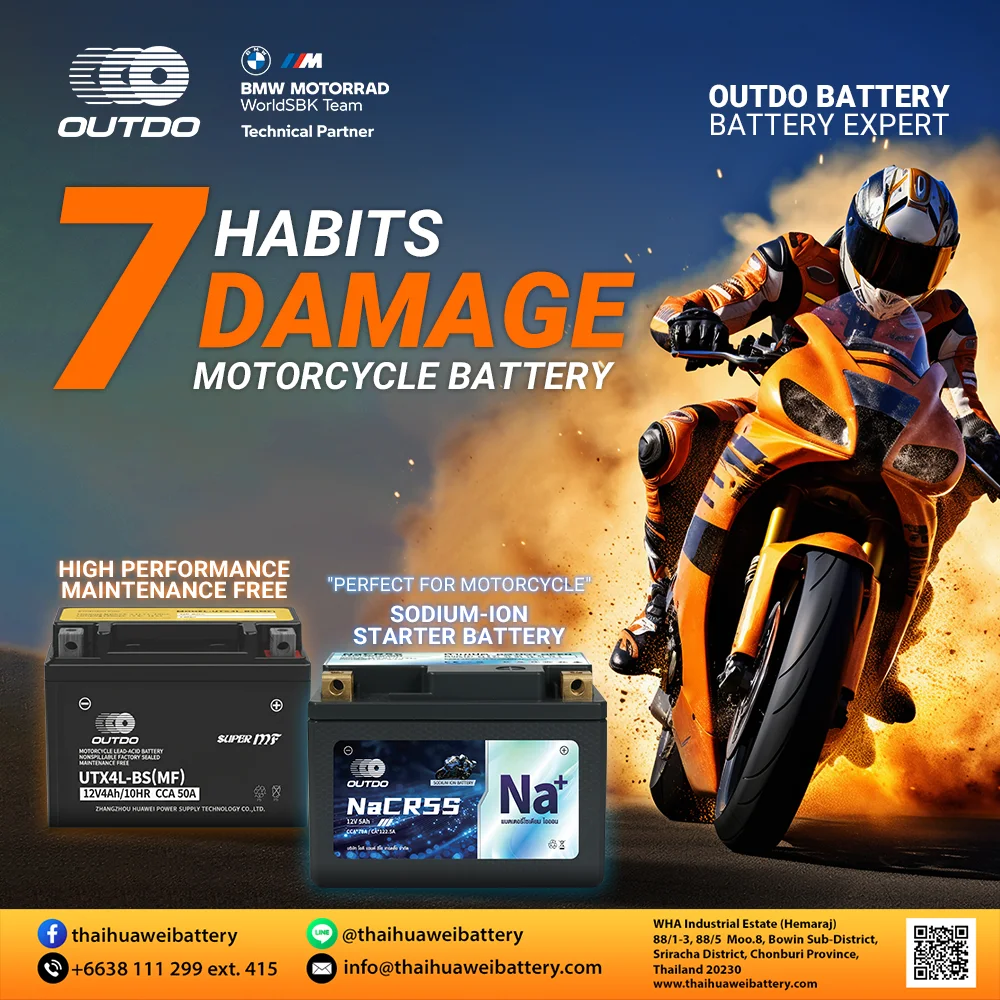
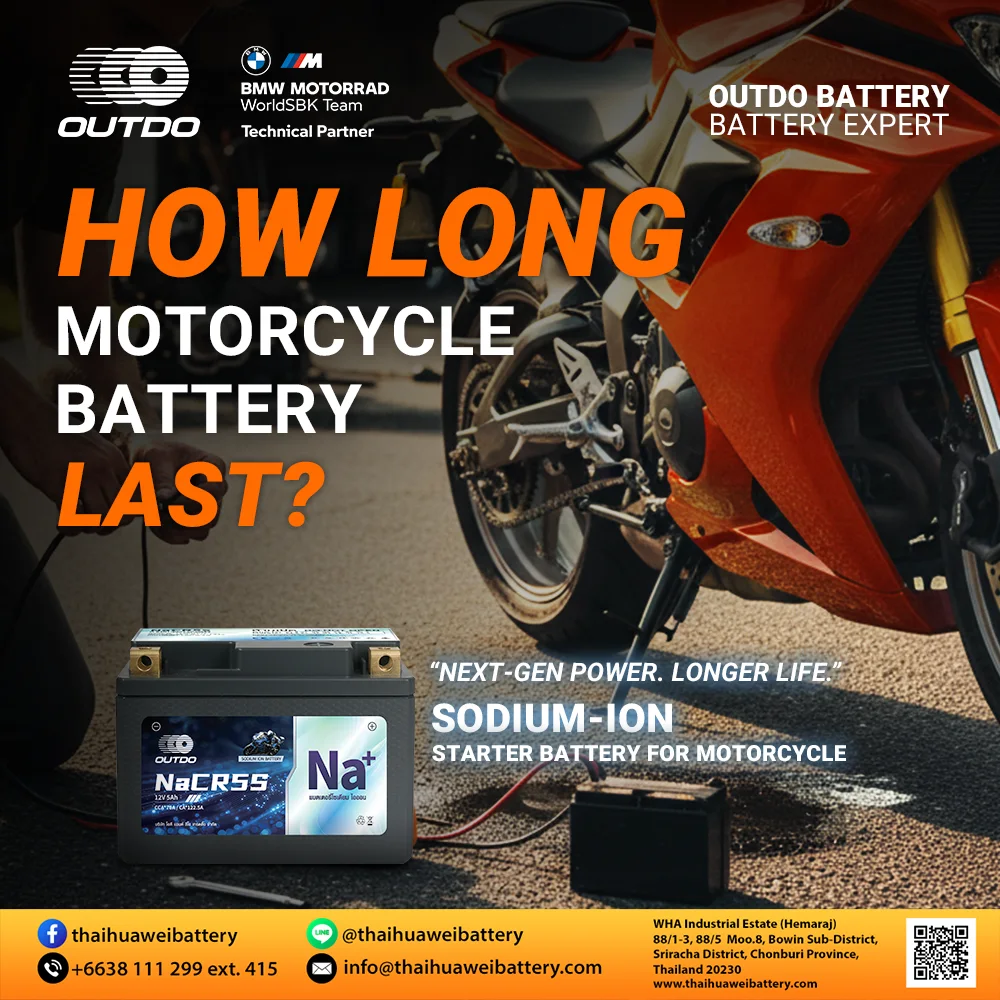
However, if you’re looking for a next-generation upgrade with better durability, stability, and longer service life, consider switching to Sodium-Ion battery technology, the latest innovation designed for riders who want improved performance and long-distance confidence.
OUTDO Sodium-Ion batteries by Thaihuawei Battery offer enhanced starting power, excellent temperature stability, and a longer lifespan compared to traditional lead-acid batteries. They are engineered for all motorcycle types, scooters, street bikes, sport bikes, touring models, and more, ensuring consistent performance and peace of mind throughout every holiday journey.
👉 Learn more about Sodium-Ion battery product details
👉 Explore our Sodium-Ion battery catalogue
Ride safe!
Tagged: motorcycle